Small Molecule Drug Discovery & Development
A Synthetic Organic Chemist’s Perspective on the Impact of AI
Published in One Nucleus’s Autumn/Winter Highlights (page 42) https://heyzine.com/flip-book/8927999508.html
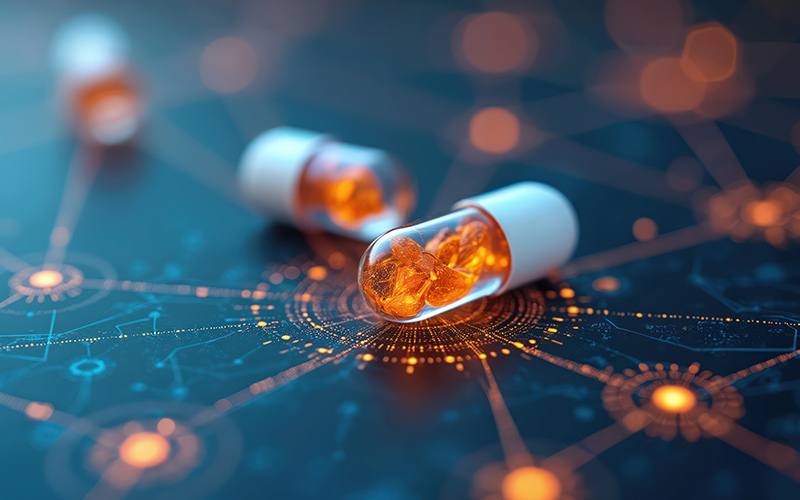
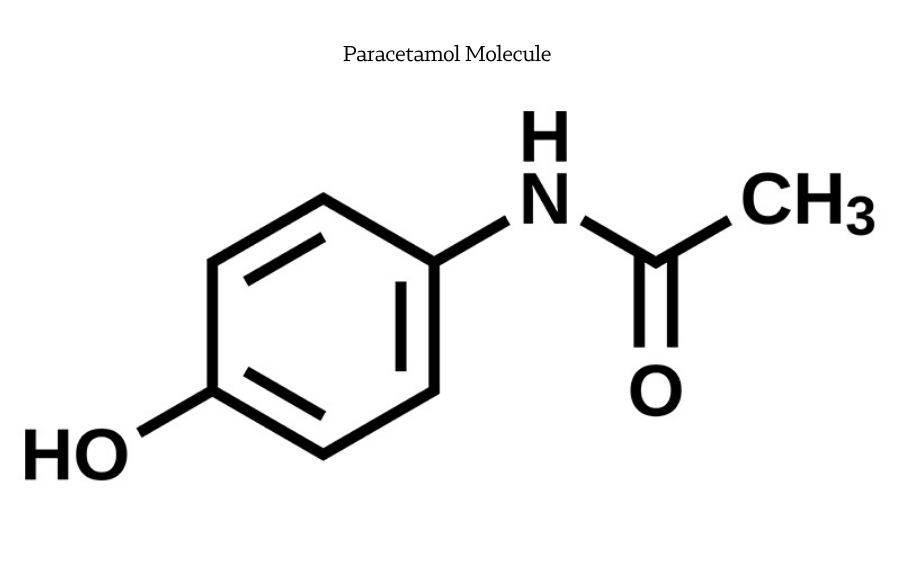
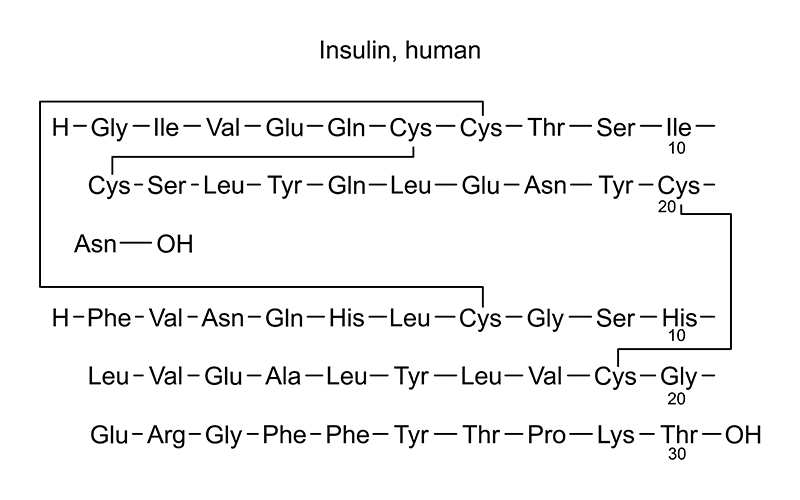
Paracetamol and Insulin are the two commonly known drugs —representing two distinct categories of medicines. Paracetamol is classified as a small molecule drug, whereas Insulin is a large molecule (biologic) drug. The difference primarily lies in their molecular size and the way they are produced.
Large molecule drugs have gained significant attention in recent years. Their popularity stems from advances in genomics and a better understanding of targeted therapies. However, about 90% of drugs currently on the market are still small molecule drugs, derived from chemical synthesis.
As a Synthetic Organic Chemist, I have spent many years in small molecule drug discovery and development and have witnessed first-hand how technology continues to transform this field. The journey of a typical drug—from concept to commercialisation—is notoriously long and expensive, often taking 12–15 years and costing up to $3 billion USD. This mostly linear process involves an extensive network of professionals, including chemists, biologists, pharmacologists, toxicologists, clinicians, regulatory experts, and marketers.
The Traditional Drug Discovery Journey

Each stage requires strict safety, efficacy, and scalability standards. Many compounds fail due to toxicity, instability, low efficacy, or manufacturing issues, which incurs high costs and disappoints scientists who devote years to these programmes.
Technological advancements have steadily improved the process. In early stages, especially hit identification and hit-to-lead development, drug discovery has shifted from manual experimentation to high-throughput screening (HTS). Tasks once requiring labour-intensive column packing and single-sample analysis are now automated, with pre-packed columns and systems capable of processing hundreds of samples simultaneously.
The Impact of AI on Drug Discovery
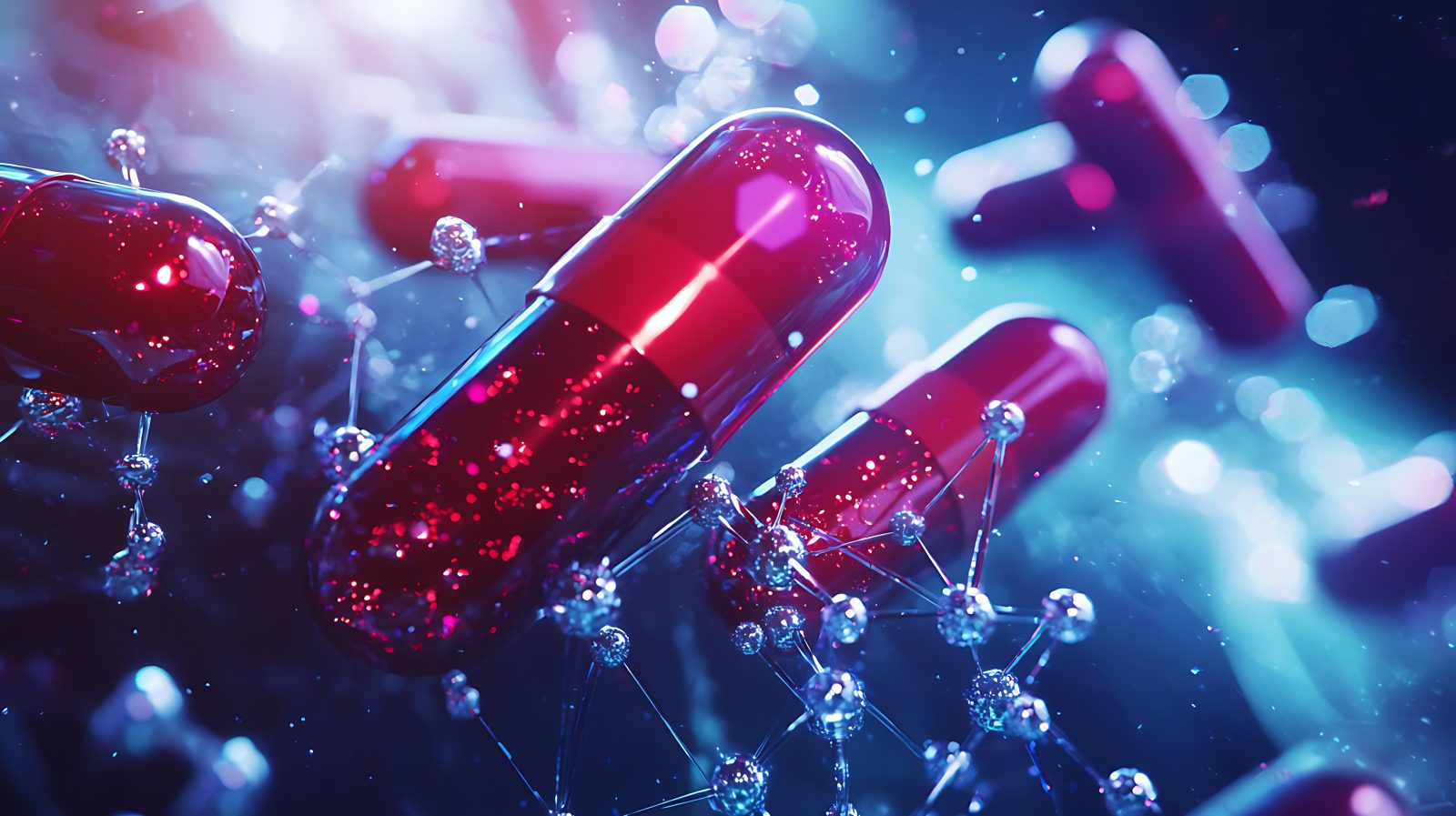
In recent years, artificial intelligence (AI), machine learning (ML), and generative AI (GenAI) have begun to revolutionise drug discovery. By leveraging large datasets and powerful predictive algorithms, AI significantly reduces the time, cost, and human resources needed to develop new drugs.
AI models can analyse complex biological and chemical data to predict target properties, compound structures, and structure–activity relationships (QSAR/QSPR). For chemists, one of the most valuable contributions of AI lies in retrosynthetic analysis—predicting how a desired compound can be synthesized efficiently using commercially available and cost-effective starting materials.
Large pharma, with greater resources, are already running AI-driven research programmes that enable parallel progress across multiple stages. Smaller biotechs are adopting these technologies to avoid being left behind.
In the past, medicinal chemists often proposed promising theoretical compounds based on computational modelling, only to find them impractical to synthesize in the lab. AI now bridges this gap by suggesting synthetically feasible molecules, allowing faster transitions from hit identification to lead optimization.
AI, however, is not a replacement for chemists. Instead, it acts as a powerful collaborator. Chemists bring essential intuition, creativity, and contextual understanding that machines lack. The role of the modern chemist is evolving—requiring new skills in data interpretation, model evaluation, and collaboration with data scientists who may come from non-chemical backgrounds.
AI enhances precision and efficiency but still depends on human insight for validation, innovation, and ethical decision-making.
The Impact of AI on Laboratory Infrastructure
Over the past decade, my focus has shifted toward laboratory design and delivery, where I have observed how AI, automation, and robotics are reshaping the physical research environment.
In the past, laboratories were often designed around single disciplines. Today’s research increasingly requires interdisciplinary collaboration, integrating computational (dry) and experimental (wet) spaces. Future laboratories will need to support fluid interaction among chemists, biologists, data scientists, and automation engineers.
AI-driven workflows demand new spatial configurations:
- Hybrid labs combining wet and dry areas.
- Collaborative zones for data review and brainstorming.
- Smart, connected environments with real-time data capture and sharing.
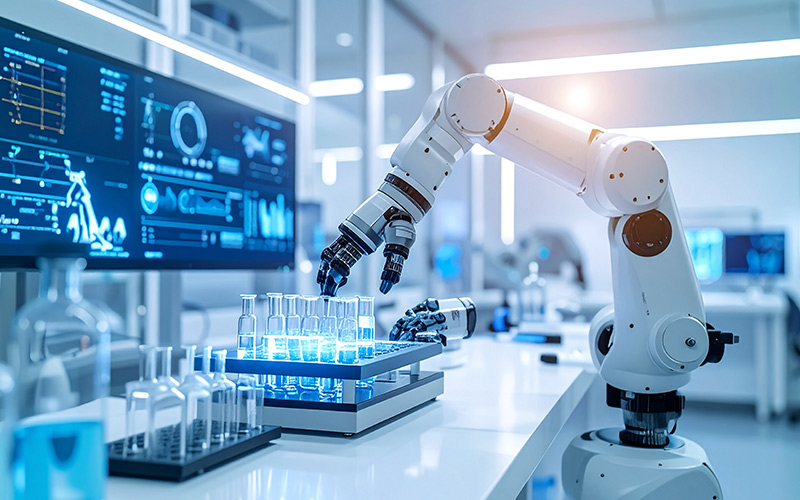
These changes will also influence the building services that support laboratories—power, water, ventilation, gas supply, and waste management. For example, automation may reduce the need for large numbers of fume cupboards and intensive ventilation systems, thereby lowering energy consumption and simplifying planning requirements.
While AI and robotics may reduce the scale of some physical operations, the need for hands-on experimental validation remains critical. Drug candidates must still undergo selective, synthesis, toxicity testing and ADME studies (absorption, distribution, metabolism, and elimination). Likewise, scale-up processes for pilot and commercial production will continue to rely on physical facilities, though these will become more efficient, automated, and environmentally sustainable.
Conclusion
Artificial intelligence is transforming all aspects of small molecule drug discovery—from concept to chemistry to infrastructure. It enables faster design, smarter synthesis, and more collaborative science. Yet, it also reinforces the enduring value of human expertise, creativity, and adaptability.
As a synthetic organic chemist, I view AI not as a replacement but as an accelerator of discovery, helping us design better drugs, faster, and with greater precision. The future of drug development will belong to teams that combine scientific intuition with technological innovation, building a more efficient and connected research ecosystem for the medicines of tomorrow.
Bulb Laboratories, part of Unispace Life Sciences, are the UK’s leading laboratory specialists providing design, consultancy, construction, and compliance services. With in-house expertise in science (end-user), laboratory design, engineering, and construction, we have unique credentials to cater to the complex needs of laboratory fit-out and refurbishment. Get in touch at info@bulblaboratories.com or call 0118 988 9200.