The Importance of Hygienic Surfaces in Laboratories
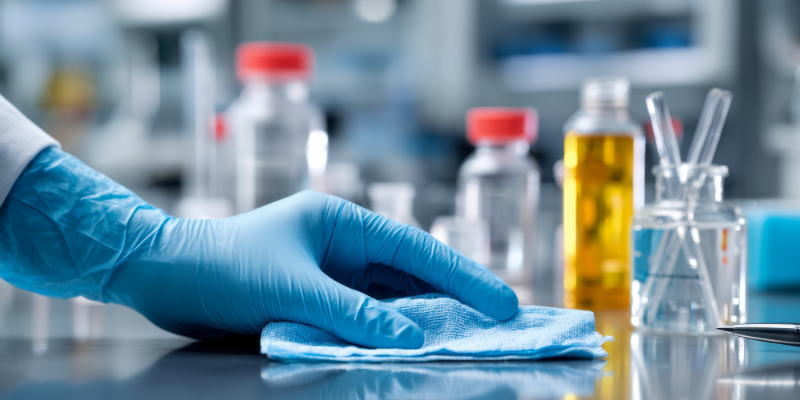
In any laboratory setting – whether healthcare, research, or industrial – maintaining hygienic surfaces is fundamental to safe and effective operations. Clean workspaces are not simply a matter of presentation; they play a critical role in ensuring accurate results, regulatory compliance, and the safety of personnel.
Inadequate hygiene can lead to contamination, compromised data, and increased health risks. By contrast, well-maintained surfaces support both operational efficiency and scientific integrity.
Regulatory Expectations in the UK
Laboratory hygiene in the UK is underpinned by several key regulatory frameworks. While each has its own scope, they collectively emphasise the importance of risk management, staff protection, and consistent hygiene practices.
Health and Safety at Work Act & COSHH:
These require employers to assess workplace risks, implement appropriate control measures, and ensure that staff are properly trained in the safe use of cleaning agents and hazardous substances.
HSE Biosafety Guidance:
Provides comprehensive direction on managing biological risks, including containment measures and safe laboratory procedures.
NHS Cleanliness Standards (2025):
Applicable to laboratories within healthcare environments, these standards define expectations for cleaning protocols, audit processes, and hygiene performance.
Maintaining Hygienic Surfaces
Effective laboratory hygiene is achieved through structured, consistent practices rather than complex procedures.
Routine and Scheduled Cleaning: Clearly defined cleaning schedules ensure consistency and accountability across all areas of the laboratory.
Appropriate Selection of Cleaning Agents: Different materials and contaminants require specific disinfectants. Using the correct products is essential for effective decontamination.
Maintaining Clear and Organised Workspaces: Minimising clutter improves both cleanliness and operational efficiency, while reducing the risk of cross-contamination.
Attention to Specialist Equipment and Areas: Fume cupboards, containment facilities, and other controlled environments require tailored cleaning methods aligned with their specific risks.
Use of Colour-Coded Cleaning Systems: Colour coding helps prevent cross-contamination by ensuring that cleaning tools are used in designated areas only.
Typical Hygienic Surfaces Installed
The following are examples of hygienic surfaces we typically install in our projects.
Walls: PVC Wall Cladding (Trovex, Jemiclad, Altro Whiterock). Specialist Paint Finishes (SIKA, Dulux). GRP Solutions
Flooring: Sheet Vinyl (Polyflor, Tarkett), Epoxy Resin Finish (Altro, SIKA, Flowcrete)
Ceiling: Lay in Ceiling Grid Systems (Zentia Hygiene, BG Gyprex Satin Spar)
Benchtops: Trespa Top Lab Base, Trespa Top Lab Plus & Fundermax
Conclusion
Maintaining hygienic surfaces in laboratory environments is not complex, but it is essential. It underpins staff safety, regulatory compliance, and the reliability of scientific outcomes. The selection of appropriate surface finishes and materials should therefore be a key consideration in the design and refurbishment of any laboratory facility.
At Bulb, we work closely with clients to specify and install hygienic wall, floor, ceiling, and benchtop solutions that meet the practical demands of modern laboratory environments. By combining specialist laboratory knowledge with proven surface systems, we help create spaces that support safe working practices, simplify maintenance, and provide long-term performance. Ultimately, investing in hygienic surfaces is an investment in the safety, efficiency, and success of the laboratory itself.