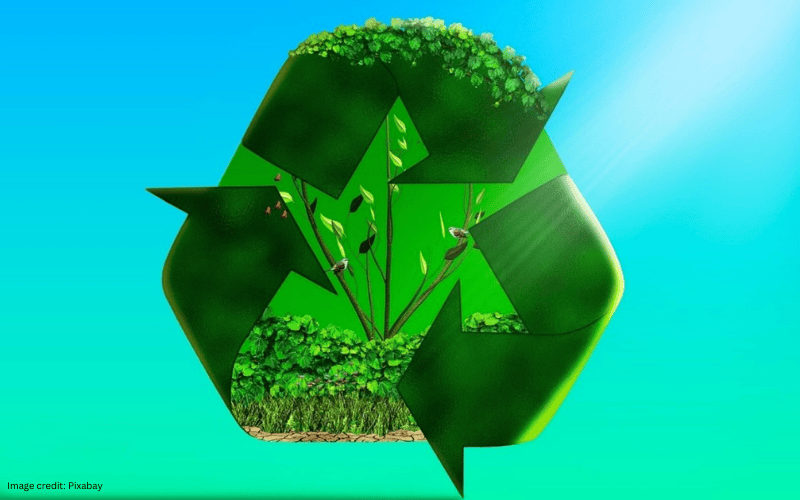
Introduction to Clean Technology
What is clean technology?
Clean technology or cleantech, also referred to as climate technology or climatetech and green technology, is a term used to describe innovations, processes and services targeted at reducing environmental harm. This can be done by enhancing efficiency, utilising sustainable resources and/or implementing environmental protection measures.
In recent years, cleantech has evolved into a major business sector. Companies in this sector strive to develop solutions that mitigate human impact on the environment, focusing on sustainable alternatives to replace traditional, resource-intensive technologies.
Key areas of cleantech:
There are numerous sub-sectors within cleantech, all of which play a crucial role in advancing sustainability. Key areas include:
- Renewable energy: renewable energy comes from natural sources that replenish themselves overtime. Unlike fossil fuels that are finite and contribute to pollution, renewable energy is sustainable and environmentally friendly. The main sources are:
- Solar energy: harnessed from the sun using solar panels.
- Wind energy: generated by wind turbines converting wind power into electricity.
- Energy storage & management: the increasing usage of renewable energy sources demands robust and efficient energy storage.
- Battery storage: enables energy from renewable sources, to be stored and released when most needed. A series of algorithms and control systems are set in place to monitor the environment and release energy during peak demand.
We delivered a project for company called Brill Power, their Battery Intelligence Platform brings transformational advances in longevity, performance, cost and sustainability to electric vehicles and stationary energy storage. Brill Power’s mission is to harness the potential in novel battery management systems to improve the performance and reduce the costs of ownership of stationary & motive power batteries as an enabling and sustainable technology for society. The company has been founded on world-class research pioneered at the University of Oxford and has closed a Series A round led by Legal & General Capital and Barclays Sustainable Impact Capital.
- Waste treatment: consists of the recycling, repurposing and conversion of waste into energy or byproducts.
- Chemical recycling: breaks down plastic waste to its original component, allowing the material to be reused.
- Waste-to-energy conversion: this technology can generate electricity and heat from waste by methods such as incineration or anaerobic digestion.
We recently worked with a University of Oxford spin-out company revolutionising the mining, refining, and recycling sectors by selectively extracting valuable metals from wastewater & mine tailings. They provide high purity metals with a 90-98% lower carbon footprint by recovering metals from waste that is otherwise not economical to treat. The company offers a sustainable source for green metals that are essential to our climate goals from waste, reducing the need for these valuable metals to be mined again.
Growth of cleantech:
The rise of cleantech can be dated back to the early 2000s, propelled by increasing energy costs, government incentives and a rise in venture capital investments. According to Net Zero Insights, VC funding in cleantech tripled from $2.3 billion to over $7 billion between the years of 2001 and 2007. Recently, advancements in cleantech have led to carbon capture and storage (CCS) techniques. These negative emission technologies (NETs) are indispensable according to the IPCC, for addressing excess carbon emissions, and we’re seeing many companies devoting themselves to this mission.
Bulb are currently working on a project in London with a client that has developed a technology to efficiently recover CO₂ from the atmosphere. That CO₂ is then permanently removed or used to displace fossil carbons in products and processes. They pioneered versatile Direct Air Capture (DAC) technology to remove historic CO₂ emissions from the atmosphere to rapidly empower carbon removal and utilisation pathways.
Cleantech in the UK:
The UK boasts a well-established cleantech ecosystem, characterized by strong innovation, substantial investments and a thriving entrepreneurial landscape. According to Startup Genome, London boasts an enviable position #4 in the Global Cleantech Ranking. Academic institutions also play a key role in the UKs advancements in clean technology, with a growing number of cleantech startups emerging from University spin-outs.
If you are a university spin-out or thinking of expanding your business feel free to contact us today to find out more about how we can assist with your projects. Get in touch at or call 0118 988 9200.
Bulb Laboratories, part of Unispace Life Sciences, are the UK’s leading laboratory specialists providing design, consultancy, construction, and compliance services. With in-house expertise in science (end-user), laboratory design, engineering, and construction, we have unique credentials to cater to the complex needs of laboratory fit-out and refurbishment.