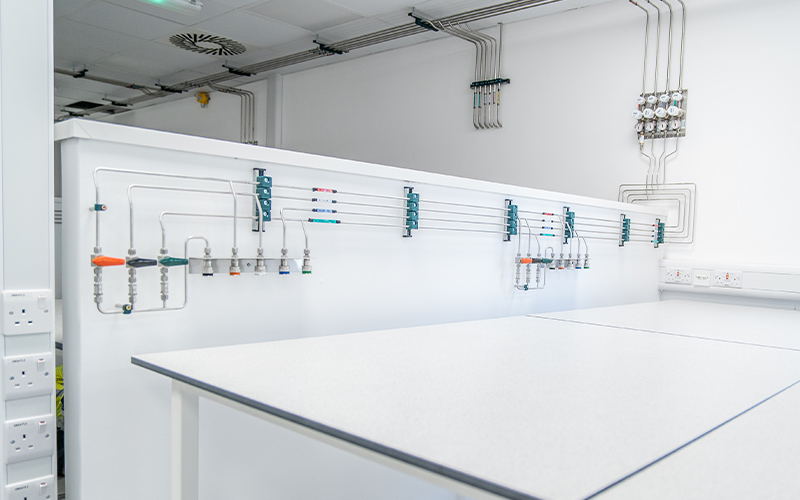
Exploring the Essential Role of Laboratory Gases in Scientific Discovery
Laboratory gases are indispensable components in scientific research, underpinning a diverse array of experiments and analysis across various disciplines. These gases serve as essential facilitators in laboratories, supporting the pursuit of knowledge and breakthroughs in fields such as chemistry, biology, physics and environmental science.
Types of Laboratory Gases:
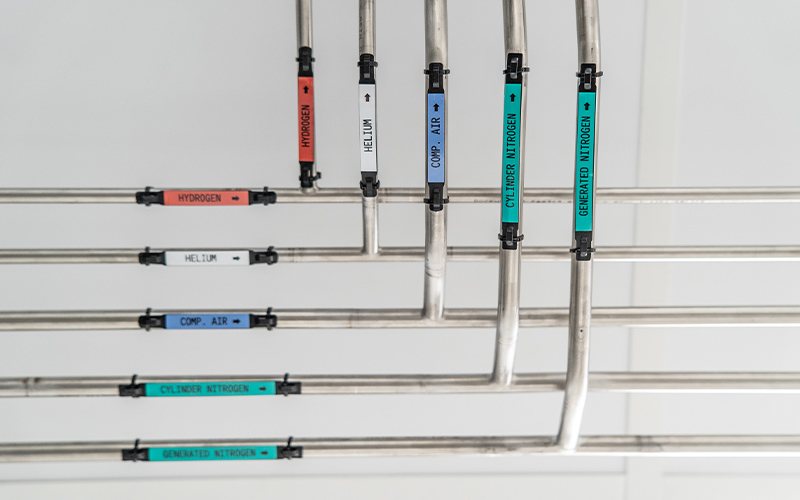
- Noble gases such as helium, argon, and neon are commonly used in laboratories due to their inert nature. They are used in gas chromatography, mass spectrometry, and as carrier gases in lots of analytical techniques.
- Oxygen and hydrogen are reactive gases used in laboratories. Oxygen is used for combustion reactions, and hydrogen is used in various analytical techniques as a carrier gas and as a fuel source.
- Nitrogen, the most abundant gas in the atmosphere, is used to create inert atmospheres and is mostly harmless . However, it can replace oxygen in the air and can lead to asphyxiation for users.
- Carbon-di-oxide is routinely used in laboratories for cryogenic applications, gas chromatography and most commonly for cell culture in CO2 incubators. It is also heavier than air and can cause asphyxiation.
- Laboratories often need gases with specific properties, such as high purity. Specialty gases like ultra-high purity gases, calibration gases, and stable isotopes are used for precision in experiments and analyses.
Applications of Laboratory Gases:
1. Chromatography – Gas chromatography relies heavily on the use of carrier gases with Helium being a standard choice.
2. Environmental Monitoring – Laboratory gases are used in environmental science, specifically for the analysis of air and water quality. These gases are used to measure concentration of pollutants, greenhouse gases and volatile organic compounds.
3. Medical Research –Lab gases play a pivotal role in creating controlled atmospheres for cell cultures, supporting respiratory studies and providing calibration standards.
4. Material Synthesis – Gases are used in processes like chemical vapor deposition and annealing, where controlled environments are necessary to create specific material properties.
Safety and Handling:
Given the risks associated with the use of laboratory gases, strict adherence to safety protocols is important. Proper handling, storage, and ventilation as well as comprehensive training for lab personnel. Routine inspections and maintenance of gas supply systems are critical to ensuring a secure working environment.
Ventilation is very important when working with gases in laboratories to ensure a safe and controlled environment. It serves two critical purposes: preventing the accumulation of potentially harmful gases and helping to maintain air quality for the users. In the event of an emergency, the amount of gas in the environment is diluted by the ventilation.
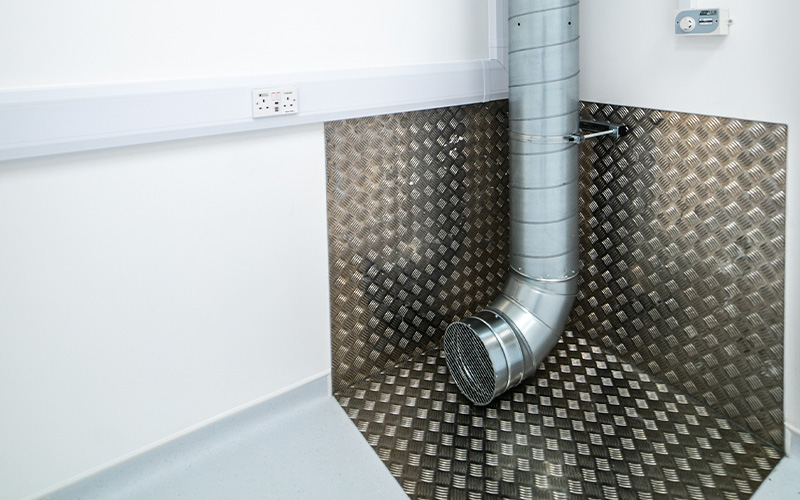
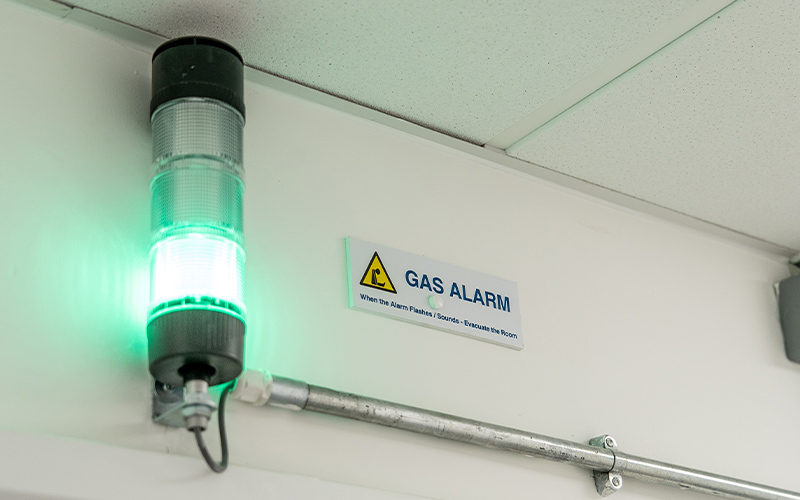
Wherever specialist gases are to be used, an independent gas detection risk assessment should be undertaken. The risk assessment should consider the volume of the room, the ventilation rates and volume of gases being piped in. The risk assessment should look at various risk scenarios such as component failure or even ventilation failure and conclude in a residual risk factor which informs the end user if gas detection is required.
Depending on the end user requirements, the gas detection system can be linked to emergency knock off buttons or even automatic solenoid shut off in the event of a release or activation of the detection system.
Laboratory gases are the unsung heroes of scientific discovery, facilitating experiments and analyses that drive advancements in knowledge and technology. From the precise measurements of analytical instruments to the controlled environments required for various processes, these gases are indispensable in laboratories worldwide. As technological landscapes evolve, the demand for innovative applications of laboratory gases will continue to grow, propelling the boundaries of scientific exploration.
At Bulb our laboratory & engineering specialists firstly help clients document their user requirements. Thereafter, supporting the team in the design & delivery of a bespoke solution to the compliant use of laboratory gases.